Common Applications of Ion Chromatography in Environmental Testing

When you work in environmental testing, Ion Chromatography becomes an essential tool for identifying contaminants in water, soil, and air. It helps you detect everything from heavy metals to nitrates with precision, even at trace levels. This technique doesn’t just provide data—it guides decisions on pollution control and remediation. But how exactly does ion chromatography fit into monitoring different environmental samples, and what makes it so reliable for these diverse applications?

Ion Chromatography (IC): Principle, Instrumentation, Advantages

Understanding Ion Chromatography in Environmental Testing

When you analyze environmental samples, ion chromatography helps you detect and measure ions with high accuracy and speed https://laballiance.com.my/. You can separate different charged particles—like anions and cations—in complex mixtures effortlessly.

This technique uses a specialized column and an eluent to isolate ions based on their interaction with the stationary phase. You’ll find it invaluable for identifying pollutants, nutrients, and other substances in soil, air, and water samples.

By giving you precise, real-time data, ion chromatography empowers you to make informed decisions without delays. It’s a versatile tool that fits seamlessly into your workflow, freeing you from guesswork and lengthy manual methods.

You get reliable results quickly, which means you spend less time waiting and more time acting on what matters most.

Monitoring Water Quality With Ion Chromatography

How do you verify the water you rely on is safe and clean? Ion chromatography gives you the freedom to monitor water quality with precision. It separates and measures ions like nitrates, chlorides, and sulfates that affect water safety.

Here’s how it empowers you:

  1. Detect harmful contaminants quickly to prevent health risks.
  2. Monitor changes in water composition over time for proactive action.
  3. Guarantee compliance with environmental regulations without guesswork.
  4. Analyze multiple ions simultaneously, saving time and resources.

Using Ion Chromatography to Detect Soil Contaminants

Since soil quality directly impacts crop health and environmental safety, you need reliable methods to detect contaminants swiftly and accurately. Ion chromatography offers that precision by separating and identifying ions like nitrates, sulfates, and heavy metals in soil samples.

You can pinpoint pollutants from fertilizers, industrial waste, or accidental spills, helping you make informed decisions about soil remediation or land use. This technique is sensitive enough to catch even trace amounts, ensuring nothing harmful slips through unnoticed.

Plus, ion chromatography provides quick turnaround times, so you’re not left waiting to act. By using this method, you maintain control over your environment, safeguarding both your crops and community without unnecessary delays or guesswork.

It’s a powerful tool that keeps your soil—and your freedom—secure.

Ion Chromatography Instrument Supplier | Drawell

How Ion Chromatography Helps Analyze Air Particulates

Why should you care about analyzing air particulates? Because what you breathe directly impacts your health and freedom to live fully. Ion chromatography lets you break down complex air samples to identify harmful ions in particulates.

Here’s how it benefits you:

  1. Pinpoints pollutant sources by detecting specific ionic compounds.
  2. Monitors air quality changes in real time for informed decisions.
  3. Helps enforce environmental standards, protecting your right to clean air.
  4. Supports research on airborne particles affecting ecosystems and communities.

Detecting Heavy Metals and Pollutants With Ion Chromatography

When you want to guarantee water and soil safety, detecting heavy metals and pollutants is essential, and ion chromatography makes this task more accurate and efficient. You can precisely separate and quantify toxic ions like lead, cadmium, and arsenic, which helps you identify contamination sources fast.

This technique offers high sensitivity, so even trace amounts don’t slip by unnoticed. It also speeds up analysis compared to traditional methods, giving you timely data to protect health and the environment.

Conclusion

You can rely on ion chromatography to give you quick, accurate insights into environmental samples like water, soil, and air. It helps you detect contaminants such as heavy metals, nitrates, and sulfates at trace levels, making it essential for monitoring pollution and ensuring safety. By using this powerful technique, you’re better equipped to support environmental protection efforts, comply with regulations, and make informed decisions that benefit ecosystems and communities alike.…

Touch Concept Aviation Booth Design Ideas for Defense Companies

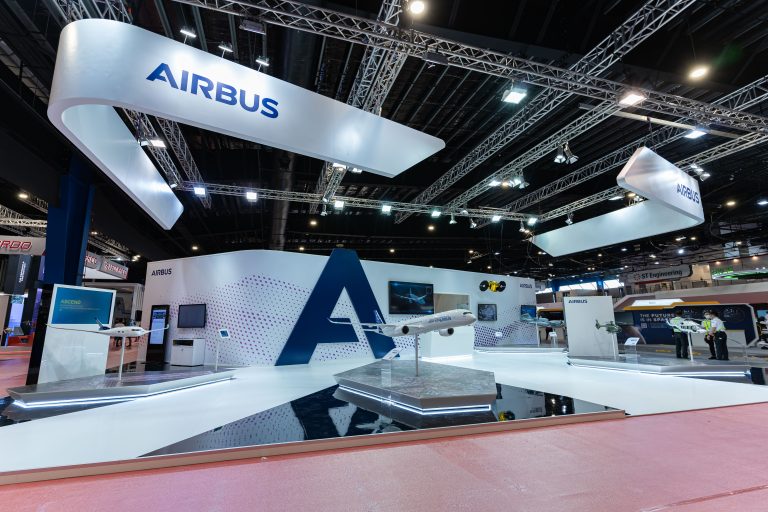
Touch concept aviation booths for defense companies feature sleek, modular designs that blend functionality with cutting-edge aesthetics. They emphasize open, accessible spaces enhanced by interactive touchscreens, 3D models, and augmented reality to showcase advanced aerospace technologies like stealth and autonomous flight. These booths use dynamic lighting and visuals to simulate real-time defense data, fostering engagement and personalized exploration. Integrating brand identity with forward-looking innovation defense booth design, they create immersive experiences that captivate visitors. Further insights explore how these elements elevate exhibition impact.

Exhibition Booth Design Solutions by Touch Concept (KL)

Why Touch Concept Aviation Booths Stand Out at Defense Exhibitions

Because defense exhibitions demand innovation and engagement aviation paint booth, Touch Concept Aviation booths distinguish themselves through cutting-edge design and interactive features. Their booths offer a seamless blend of functionality and aesthetics, creating open spaces that encourage exploration and dialogue.

The design emphasizes accessibility, allowing attendees to navigate freely and engage with displays without constraints. Interactive elements such as touchscreens and immersive visuals invite visitors to control their experience, fostering a sense of autonomy.

Emphasizing modular components, these booths adapt easily to diverse exhibition environments, supporting dynamic presentations. The thoughtful integration of technology and spatial design empowers defense companies to communicate complex concepts clearly, while respecting the audience’s desire for unobstructed access and informed choice.

This approach ensures Touch Concept Aviation booths consistently stand out in competitive defense exhibition settings.

Aviation Themes Reflecting Advanced Defense Technology for Defense Exhibitions

Aviation themes in defense exhibition booths often showcase the forefront of technology, emphasizing speed, precision, and innovation. These themes incorporate sleek, aerodynamic designs and cutting-edge materials that reflect advanced aerospace engineering.

Visual elements highlight stealth capabilities, autonomous flight systems, and integrated defense networks, illustrating technological superiority. Lighting and graphics simulate real-time data flows and radar displays, reinforcing a sense of control and awareness.

The design language conveys agility and power, resonating with an audience valuing freedom through technological dominance. By focusing on futuristic aircraft silhouettes and interactive digital visuals, these themes embody the relentless pursuit of advancement.

This approach not only attracts attention but also communicates commitment to defense innovation, reinforcing brand identity in a competitive exhibition environment.

Must-Have Interactive Features in Touch Concept Aviation Booths

Incorporating advanced technology into booth designs sets the stage for engaging visitor experiences through interactive features. Essential elements include large touchscreens that allow intuitive navigation of aviation systems and defense solutions. Multi-touch capabilities enable multiple users to explore simultaneously, fostering freedom of movement and choice.

Interactive 3D models offer a hands-on understanding of complex aircraft components without physical constraints. Gesture controls and augmented reality overlays further enhance immersion, allowing visitors to interact naturally with digital content.

Additionally, customizable interfaces empower users to access information tailored to their interests. These must-have interactive features guarantee that defense companies’ aviation booths not only showcase innovation but also provide an open, user-driven environment that encourages exploration and meaningful discovery.

Great 8mx8m exhibition stand for Aviation and Defence Spares

Visitor Engagement Through Touchscreen Technology

When visitors interact with touchscreen technology, their engagement levels increase considerably due to the intuitive and dynamic nature of the interface. Touchscreens invite users to explore information at their own pace, promoting autonomy and a personalized experience. This freedom to navigate content fosters deeper interest and retention, especially in defense aviation contexts where complex data benefits from clear, hands-on interaction.

Moreover, touchscreen displays can adapt to diverse user preferences, supporting multimedia elements such as videos, 3D models, and interactive maps. These features create immersive environments that capture attention and encourage repeated visits.

How to Blend Branding and Innovation in Your Aviation Booth

How can defense companies effectively merge strong branding with cutting-edge innovation in their aviation booths? The key lies in creating a seamless experience where brand identity and technological advancements coexist.

Utilizing sleek, modern designs that incorporate signature logos and colors reinforces brand recognition while showcasing innovation through interactive displays and augmented reality demonstrations. This approach empowers visitors to explore products freely, reflecting the essence of freedom and autonomy.

Integrating intuitive interfaces and real-time data enhances engagement without overwhelming attendees. The result is a balanced presentation that honors heritage and embraces the future, inspiring trust and excitement.

Conclusion

Touch Concept Aviation booths distinctly elevate defense exhibitions by seamlessly integrating advanced aviation themes with cutting-edge interactive features. These booths effectively engage visitors through innovative touchscreen technology, fostering deeper connections and enhanced brand recall. By thoughtfully blending branding with technological innovation, defense companies can create immersive experiences that highlight their expertise and commitment to advancement. Ultimately, Touch Concept Aviation booth designs offer a strategic advantage in capturing attention and conveying complex defense solutions in a compelling, accessible manner.…

Expert Tips From Lab Alliance for BETter BET Surface Area Measurements

When you’re aiming for precise BET surface area measurements, the way you prepare your samples can make all the difference. It’s not just about drying or grinding—they need to be handled carefully to preserve their structure specific surface area. Beyond preparation, maintaining your instrument and choosing the right measurement settings are crucial steps. But even with all that in place, interpreting the data correctly can still be tricky. Understanding these nuances can significantly improve your results.

Specific Surface Area Measurement (BET Theory) | Measurlabs

Prepare Samples for Accurate BET Surface Area Results

Begin by thoroughly drying your samples to remove any moisture that could interfere with the BET surface area measurement https://laballiance.com.my/. Moisture skews results by blocking surface pores, so you want your sample completely dry but chemically stable.

Next, grind your samples to a uniform particle size to ensure consistent surface exposure. Avoid overheating during preparation, which can alter the material’s structure.

You’ll also need to degas the sample under vacuum or inert gas to remove adsorbed gases and contaminants. This step clears the surface, letting nitrogen molecules access every pore during analysis.

Handle your samples carefully to avoid contamination and maintain their integrity.

Calibrate and Maintain Your BET Instrument Effectively

Ensure your BET instrument delivers reliable results by regularly calibrating and maintaining it according to the manufacturer’s guidelines.

You’ll want to schedule routine checks, verify calibration standards, and replace worn parts promptly to keep your measurements precise.

Don’t overlook cleaning sample ports and sensors to prevent contamination that can skew data.

Keeping software updated also ensures smooth operation and accurate data processing.

If you notice any irregularities or drifts in readings, address them immediately rather than pushing forward with questionable data.

By staying proactive, you avoid costly downtime and maintain the freedom to trust your BET surface area measurements.

With consistent care, your instrument will perform optimally, letting you focus on your work without unnecessary interruptions or doubts about your results.

Optimize Measurement Settings for Reliable BET Surface Area Data

When you optimize measurement settings for BET surface area analysis, you directly improve the reliability of your data. Start by selecting the appropriate pressure range—choose a relative pressure (P/P₀) window that captures the linear adsorption region without including points influenced by multilayer adsorption or condensation.

Adjust the equilibration time to ensure the sample reaches true adsorption-desorption equilibrium, avoiding rushed readings. Use consistent sample preparation and degassing parameters to minimize variability.

Don’t forget to set the correct gas type and temperature for your material, as these impact adsorption behavior. By fine-tuning these settings, you reduce errors and enhance repeatability, giving you confidence in your results and the freedom to explore your materials without second-guessing your data’s accuracy.

Lab & Diagnostic Imaging | Parkview Health

Make Sense of BET Data to Better Understand Your Materials

Optimizing your measurement settings lays a solid foundation, but interpreting the BET data correctly is what truly unlocks insights about your material’s surface properties.

When you analyze the BET plot, focus on the linear region where the BET equation applies—this helps you determine the monolayer adsorption capacity accurately. Pay close attention to the correlation coefficient; a strong fit means your data is reliable.

Don’t just accept surface area numbers at face value—consider the physical context of your material. Look for any anomalies or inconsistencies that could hint at pore structure or surface heterogeneity.

Troubleshoot Common BET Surface Area Issues

Although BET surface area measurements are powerful, you might encounter issues that affect your results’ accuracy.

If your data looks inconsistent or the BET plot isn’t linear, start by checking sample preparation—moisture or contamination can skew results.

Ensure your degassing step is thorough; incomplete degassing traps gases, altering surface area calculations.

Calibration errors in your instrument can also cause discrepancies, so verify calibration regularly.

If you notice unexpected isotherm shapes, consider whether your sample’s pore structure fits BET assumptions.

Don’t hesitate to rerun measurements with adjusted parameters or consult your instrument’s manual for troubleshooting tips.

Conclusion

By thoroughly preparing your samples, regularly calibrating your instrument, and optimizing measurement settings, you’ll get more reliable BET surface area results. Focus on the BET linear region for accurate interpretation, and don’t hesitate to troubleshoot by revisiting preparation, degassing, or calibration steps if something seems off. Following these expert tips will help you confidently analyze your materials and achieve consistent, trustworthy data every time. Keep refining your process for the best outcomes.…

How to Keep Lizards Away: a Practical Guide With iGreenAsia

If you’ve noticed lizards creeping into your home, it’s likely because they find easy access, food, or shelter inside. You can take practical, eco-friendly steps to block their entry and make your space less inviting without harsh chemicals best lizard repellent. From sealing cracks to using natural repellents, there are effective methods that protect your home and the environment. But what’s the best way to identify and eliminate all lizard-friendly spots?

Making Love - Omaha City Weekly

Why Lizards Enter Homes and What Attracts Them

When lizards enter your home, they’re usually in search of food, shelter, or warmth.

You’ll find them drawn to areas where insects thrive since bugs are their primary food source. Crumbs, leftover food, or standing water attract insects, which in turn attract lizards.

They also seek shelter in quiet, dark corners https://igreenasia.com/, behind furniture, or inside cracks and crevices.

Warmth plays a role, especially during cooler months, as lizards are cold-blooded and rely on external heat to regulate their body temperature.

Understanding these attractions helps you identify vulnerabilities in your home. You can then take precise steps to reduce those enticements, making your space less inviting.

Keep in mind, lizards don’t invade to bother you—they’re following basic survival instincts.

Eco-Friendly Methods to Prevent Lizards Indoors

To keep lizards out without harming the environment, you can adopt several eco-friendly strategies that focus on deterring them naturally.

Start by sealing cracks, gaps, and vents where lizards might enter.

Maintain cleanliness—remove food crumbs and standing water to reduce their attraction.

Keep indoor plants trimmed and avoid dense clutter that offers hiding spots.

Improve ventilation to reduce humidity, as lizards favor moist environments.

Use physical barriers like fine mesh screens on windows and doors.

Regularly clean walls and ceilings to remove insects, limiting their food source.

These practical steps create an inhospitable space for lizards, ensuring your home stays lizard-free without relying on harmful chemicals or traps.

Embrace these measures to protect your space while respecting the environment and your freedom.

Natural Repellents That Keep Lizards Away Safely

Harness natural repellents to keep lizards at bay without resorting to harmful chemicals. Essential oils like eucalyptus, peppermint, and citronella are proven to deter lizards effectively. Simply dilute a few drops in water and spray around entryways, corners, and window sills.

Fresh garlic and onion slices placed strategically can repel lizards by their strong odor. You can also use naphthalene balls carefully, but avoid overuse indoors to prevent health risks.

Additionally, pepper sprays made from chili powder mixed with water offer a non-toxic, natural solution. These repellents create an environment lizards find uncomfortable, encouraging them to leave without causing harm.

How To Keep Lizards Out Of Your Garden (Effective Humane Ways)

How to Seal Entry Points and Remove Lizard Hiding Spots

Although natural repellents help deter lizards, sealing entry points and eliminating hiding spots offers a more permanent solution. Start by inspecting your home thoroughly—look for cracks, gaps around doors, windows, and vents. Use weatherstripping, caulk, or mesh screens to block these entryways. Pay special attention to areas where pipes or wires enter walls.

Next, remove clutter like cardboard boxes, woodpiles, and dense vegetation near your home’s foundation. Lizards seek dark, quiet places to hide, so keeping these areas clear denies them shelter.

Maintain a clean environment by regularly sweeping and removing debris where insects, their food source, gather. By securing your home and minimizing hiding spots, you’ll significantly reduce lizard presence and reclaim your space with confidence and control.

When to Call iGreenAsia for Lizard Control

If lizards keep returning despite your efforts to seal entry points and remove hiding spots, it’s time to call iGreenAsia for professional help. You want your space lizard-free without hassle.

Here’s when to reach out:

  1. You spot multiple lizards daily—even after cleaning and sealing.
  2. Lizards move into living areas, posing discomfort or health concerns.
  3. DIY methods fail to reduce or eliminate the lizard presence.
  4. You need a safe, eco-friendly solution that respects your environment.

iGreenAsia offers expert assessment and targeted treatment plans that free you from persistent lizard issues. Don’t let these reptiles limit your freedom inside your home or workspace.

Take control by calling the professionals who get it right the first time.

Conclusion

You can effectively keep lizards away by sealing cracks, removing clutter, and improving ventilation to reduce their shelter and food sources. Use natural repellents like diluted essential oils or chili sprays safely around entry points. Stay consistent with these eco-friendly steps to maintain a lizard-free home. If lizards still persist, don’t hesitate to call iGreenAsia for expert, environmentally responsible solutions tailored to your needs. Take control and protect your space today.…

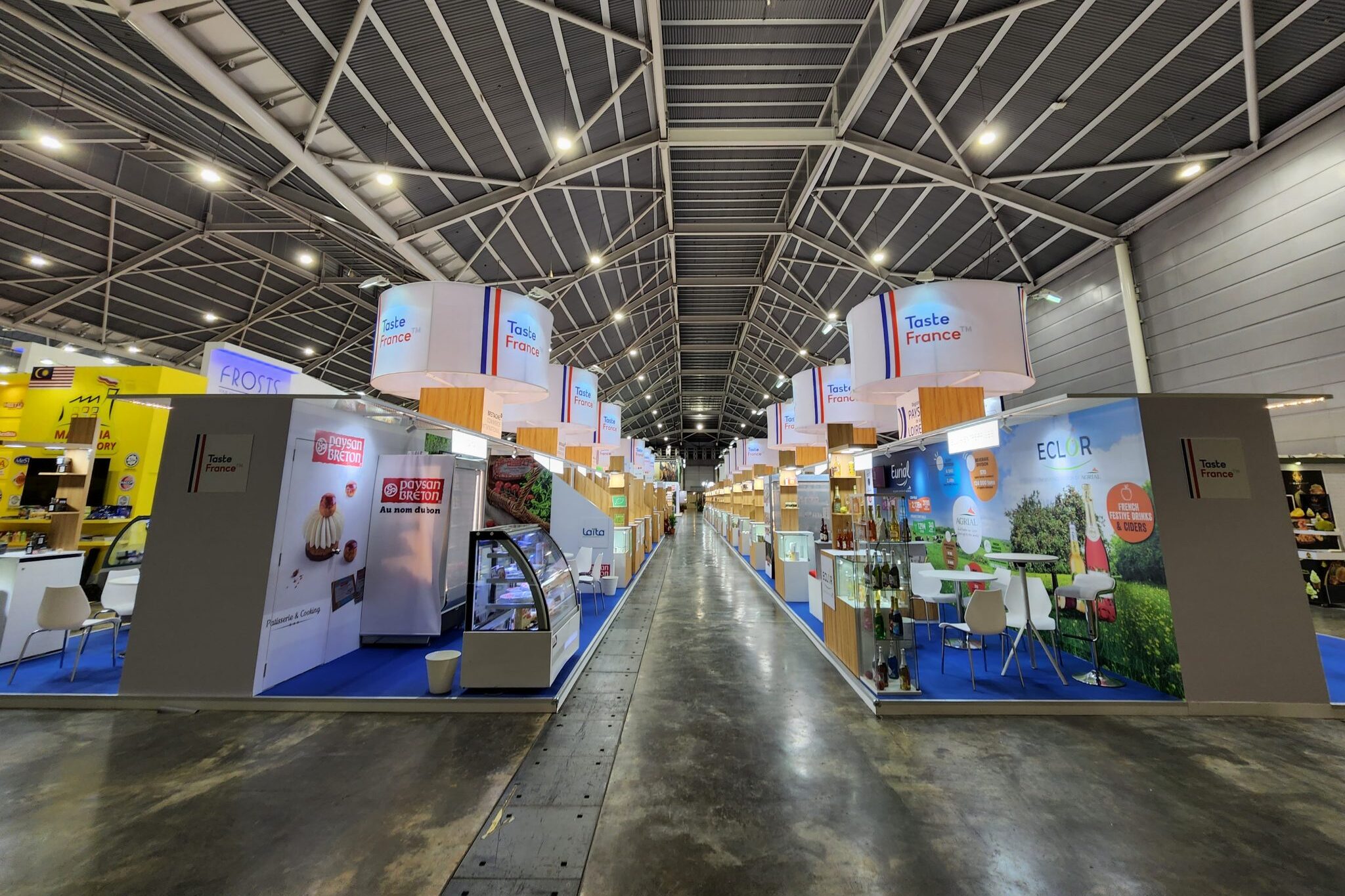
Exhibition Booth Design Tips for Trade Shows and Business Events

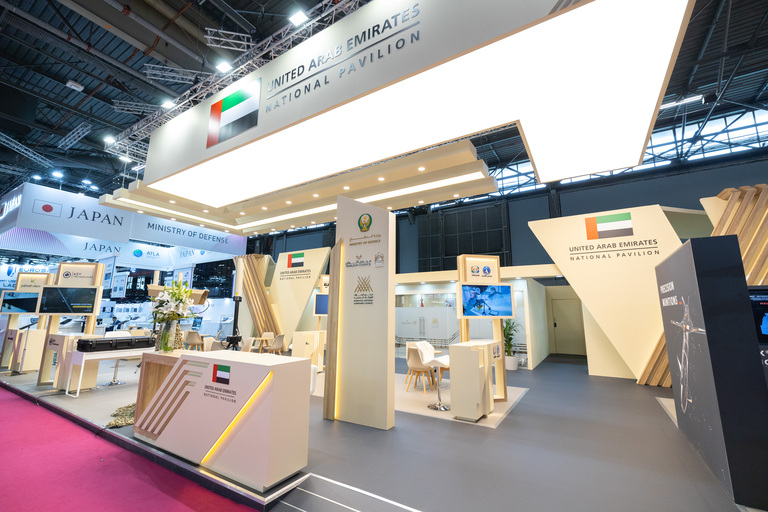
Exhibition booth design should prioritize open, adaptable layouts that guide visitor flow and highlight key features near entry points. Durable, lightweight materials paired with bold graphics enhance visibility and ease of setup. Consistent branding communicates identity clearly, while interactive elements and personalized engagement foster lasting connections. Thoughtful lighting accentuates focal points and creates inviting ambiance exhibition booth design malaysia. These strategic choices combined elevate presence and visitor experience, setting the stage for impactful trade show success and deeper insights to follow.

How to Attract Visitors to Your Exhibition Stand | Eventbrite

Plan Your Exhibition Booth Layout for Maximum Impact

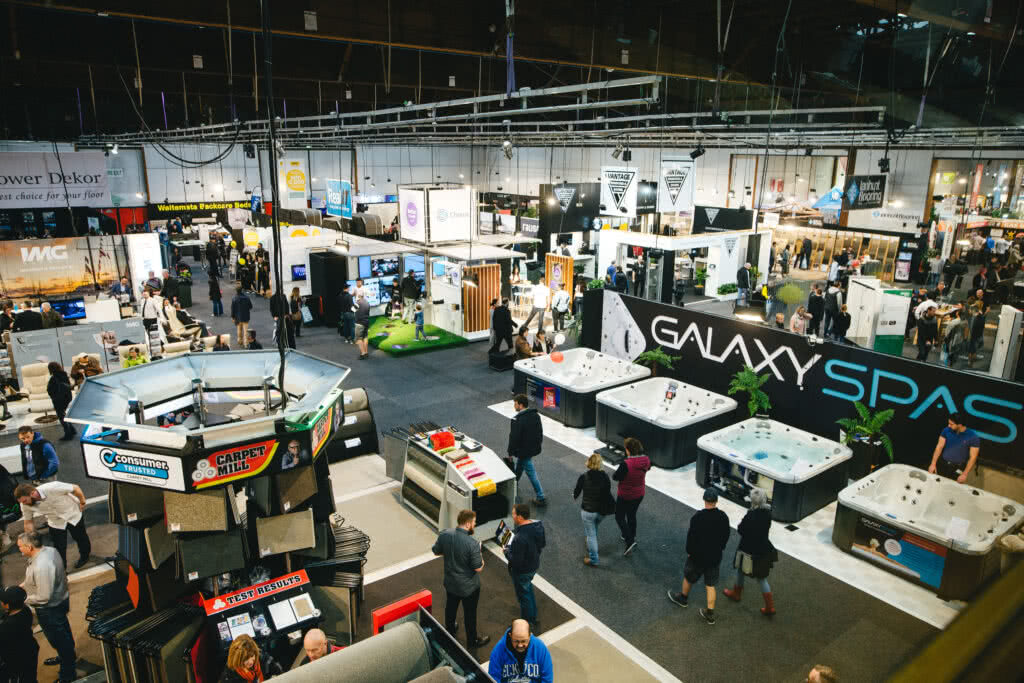
When designing an exhibition booth, careful planning of the layout is essential to maximize visibility and engagement. A strategic layout directs foot traffic naturally, inviting attendees to explore without feeling confined.

Open spaces foster approachability https://upstageexpo.com/home, while clearly defined zones enable focused interaction and product demonstration. Positioning key elements near entry points captures immediate attention, encouraging deeper exploration.

Prioritizing flow guarantees visitors can navigate effortlessly, enhancing their experience and increasing time spent at the booth. Thoughtful arrangement balances functional needs with aesthetic appeal, reinforcing brand identity while supporting diverse engagement styles.

For those valuing autonomy, an adaptable layout offers flexibility to customize interactions, empowering exhibitors to respond dynamically to evolving visitor behaviors and preferences. Ultimately, an optimized layout is a powerful tool to attract, engage, and convert audiences effectively.

Choose Materials and Graphics for Your Exhibition Booth

Selecting the right materials and graphics is essential to creating an exhibition booth that commands attention and communicates brand values effectively.

Durable, high-quality materials guarantee longevity and ease of assembly, reducing stress and allowing flexibility during setup. Graphics should be bold, clear, and visually striking, maximizing impact from a distance while conveying key messages succinctly.

Opt for lightweight, portable materials to maintain freedom of movement and quick adaptability. Incorporating vibrant colors and clean typography enhances visibility without overwhelming visitors.

Strategic use of textures and finishes can evoke professionalism and innovation, aligning with the exhibitor’s identity. Thoughtful material and graphic choices empower exhibitors to create inviting, memorable spaces that attract the right audience, optimize engagement, and support a seamless trade show experience.

Brand Your Booth to Stand Out and Be Remembered

A booth’s branding serves as its most powerful asset, transforming a simple display into a memorable experience that resonates long after the event ends.

Effective branding clearly communicates a company’s identity, values, and unique offering, differentiating it from competitors.

Consistent use of logos, colors, and messaging guarantees instant recognition, fostering trust and recall.

Strategic placement of brand elements on signage, banners, and promotional materials enhances visibility.

Additionally, integrating brand storytelling through visuals and concise text deepens emotional connection without overwhelming visitors.

This focused branding approach empowers exhibitors to capture attention swiftly and leave a lasting impression, ultimately driving engagement and business opportunities.

In competitive trade show environments, a well-branded booth is essential for standing out and securing a lasting presence in attendees’ minds.

Trade Show Booth Ideas to Fit Every Space & Budget | ProExhibits

Create an Engaging Exhibition Booth Experience

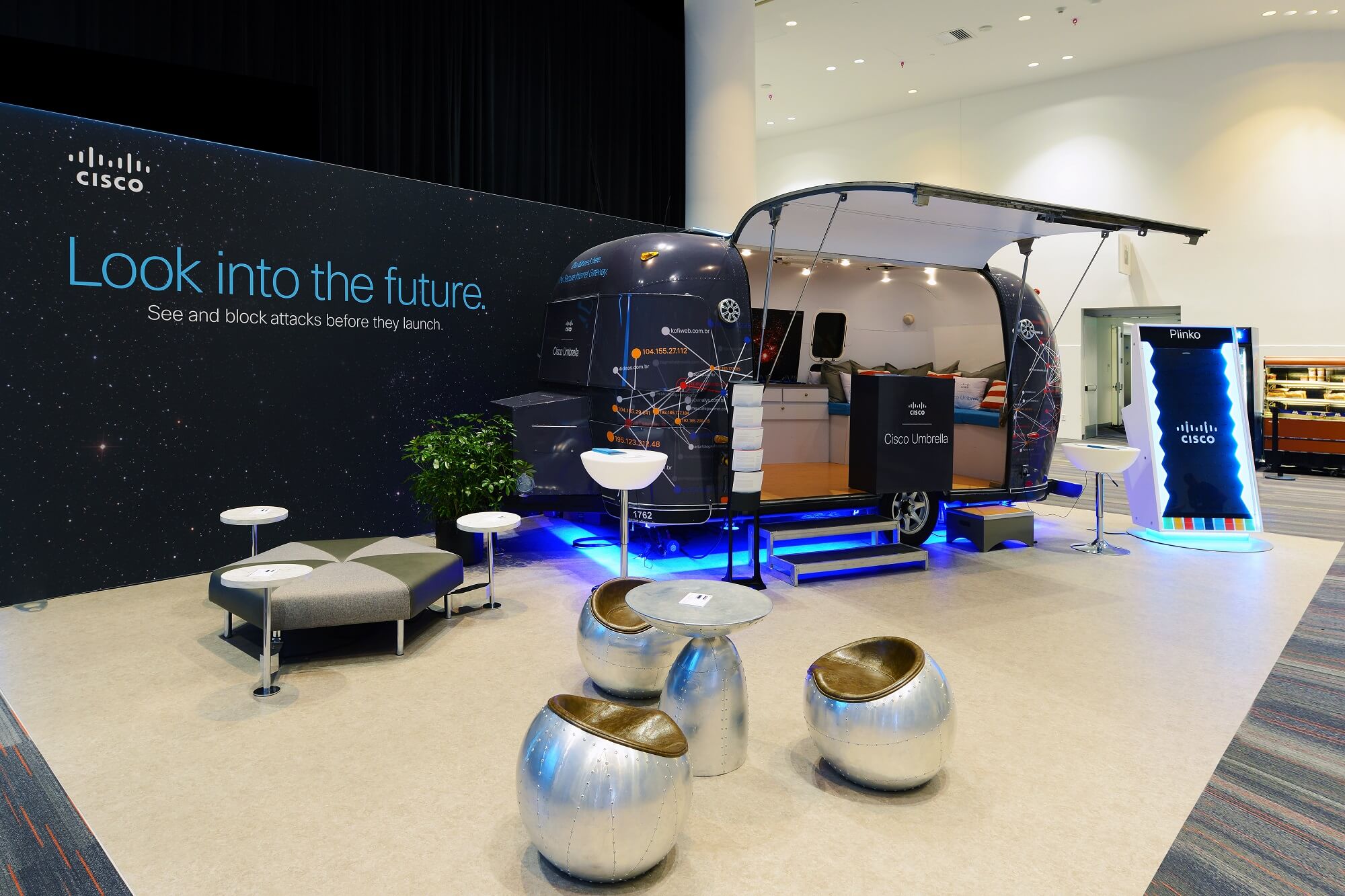
Enthralling attendees requires more than visual appeal; it demands an interactive and immersive booth experience that encourages engagement and meaningful connections. An effective booth integrates hands-on demonstrations, digital interfaces, or live presentations to draw visitors into active participation. This approach transforms passive observers into invested prospects, fostering memorable interactions that extend beyond the event.

Offering personalized experiences, such as tailored consultations or exclusive content, enhances relevance and builds trust. Additionally, designing clear pathways and comfortable spaces invites lingering, facilitating deeper dialogue. Prioritizing engagement over mere display empowers exhibitors to communicate value dynamically, breaking free from traditional static setups.

Ultimately, an engaging exhibition booth experience not only captivates but also converts, aligning with the audience’s desire for autonomy and meaningful choice within the event environment.

Use Lighting and Color to Attract Visitors

Harnessing lighting and color strategically can markedly increase an exhibition booth’s visibility and appeal. Thoughtful use of lighting directs attention, highlights key products, and creates an inviting atmosphere that encourages visitors to linger.

Dynamic LED lights or spotlights can emphasize focal points, while softer ambient lighting fosters comfort and openness. Color choices should align with brand identity but also stand out amid competing booths.

Bold, contrasting hues attract the eye, while harmonious palettes communicate professionalism and trust. Combining lighting with color enhances the overall sensory experience, making the booth memorable and approachable.

For exhibitors seeking freedom to captivate diverse audiences, investing in purposeful lighting and color schemes transforms a passive display into an active magnet for engagement and connection.

Conclusion

A strategically designed exhibition booth maximizes visibility and engagement at trade shows and business events. By carefully planning the layout, selecting impactful materials and graphics, and reinforcing brand identity, businesses can create memorable experiences that attract and retain visitors. Thoughtful use of lighting and color further enhances appeal, ensuring the booth stands out in a competitive environment. Implementing these focused design elements drives meaningful connections and boosts overall event success.…

Touch Concept Interior Design Exhibition Service Review for Modern Businesses

Touch Concept distinguishes itself by merging adaptable modular layouts with sustainable materials, fostering dynamic, immersive exhibition spaces that engage multiple senses. Their designs strategically reinforce brand identity through cohesive palettes, bespoke surfaces, and spatial storytelling booth design for exhibition. Emphasizing ergonomic functionality and intuitive navigation, Touch Concept’s work enhances productivity while maintaining aesthetic innovation. This approach aligns with evolving business needs and market trends. Exploring further reveals how these elements translate into impactful environments for modern enterprises.

Pavilion Design & Build - Touch Concept Exhibition Experts

What Unique Design Elements Make Touch Concept Stand Out for Modern Businesses

In exploring the distinctive attributes of Touch Concept’s interior design, one observes a strategic fusion of functionality and aesthetic innovation tailored to contemporary business environments.

The approach integrates modular layouts that adapt to varying spatial demands https://www.touchconcept.com.my/, promoting flexibility without compromising visual coherence.

Materials are selected for their tactile quality and sustainability, reflecting a commitment to eco-conscious practices while enhancing sensory engagement.

Lighting schemes are meticulously crafted to balance natural and artificial sources, optimizing ambiance and productivity.

Additionally, the design ethos prioritizes open circulation and seamless connectivity, facilitating dynamic interactions and fostering a sense of freedom within the workspace.

These unique elements collectively position Touch Concept as a forward-thinking partner for businesses seeking environments that inspire creativity and operational efficiency.

How Touch Concept’s Features Create Immersive Exhibition Spaces

Three core features define Touch Concept’s ability to craft immersive exhibition spaces: spatial adaptability, sensory engagement, and narrative integration.

Spatial adaptability allows environments to be dynamically configured, optimizing flow and interaction based on client needs without compromising aesthetic coherence.

Sensory engagement incorporates multi-sensory elements—such as tactile surfaces, ambient soundscapes, and controlled lighting—that deepen visitor involvement and foster emotional resonance.

Narrative integration weaves coherent storytelling into the design, guiding visitors through a curated experience that transcends mere display.

Together, these features cultivate environments that invite exploration and personal connection, encouraging visitors to engage freely and meaningfully.

Touch Concept’s meticulous balance of form and function guarantees exhibitions are not only visually striking but also experientially rich, appealing to modern businesses seeking spaces that inspire and captivate without constraint.

Design Features That Boost Your Brand Identity With Touch Concept

By harnessing innovative design features, Touch Concept elevates brand identity through environments that embody core values and aesthetics with precision. Their approach integrates cohesive color palettes, bespoke materials, and strategic spatial arrangements to create immersive narratives aligned with brand ethos.

Subtle yet impactful elements—such as custom lighting schemes and tactile surfaces—engage visitors on sensory levels, reinforcing brand recognition beyond visual cues. This meticulous attention to detail guarantees that spaces are not merely decorative but serve as authentic extensions of brand storytelling.

Moreover, Touch Concept’s adaptive design methodology allows for flexibility, enabling businesses to maintain a consistent identity while evolving with market trends. Ultimately, these design features foster a profound connection between brands and their audiences, empowering businesses to communicate identity with clarity and freedom.

Pavilion Design & Build - Touch Concept Exhibition Experts

Blending Style and Practical Functionality for Your Workspace

Countless successful workspaces demonstrate that the fusion of style and practical functionality is essential for fostering productivity and well-being. This balance cultivates environments where aesthetic appeal does not compromise usability, allowing employees to navigate and engage with their surroundings intuitively.

Thoughtful design integrates ergonomic furniture, adaptable layouts, and efficient lighting, harmonizing visual elegance with operational ease. Such spaces empower occupants, encouraging creativity and focus while accommodating diverse work styles.

Why Smart Businesses Are Choosing Touch Concept Today

Amid evolving workplace demands, Touch Concept has emerged as a preferred choice for forward-thinking businesses seeking tailored interior solutions. Its ability to seamlessly integrate aesthetic innovation with functional design addresses the growing need for adaptable, efficient work environments.

Smart businesses recognize how Touch Concept’s expertise fosters spaces that enhance productivity without compromising creativity or employee well-being. The service’s emphasis on customization guarantees each project aligns with distinct organizational cultures and operational goals.

Moreover, Touch Concept’s strategic use of technology and sustainable materials reflects a commitment to future-proofing workplaces. By prioritizing flexibility and user experience, Touch Concept enables businesses to navigate changing market dynamics confidently.

This clear focus on purposeful design positions Touch Concept as an indispensable partner for enterprises valuing freedom, innovation, and long-term growth.

Conclusion

Touch Concept exemplifies a sophisticated blend of innovative design and practical functionality, redefining exhibition spaces for modern businesses. By integrating immersive features that enhance brand identity, it offers a strategic advantage in competitive environments. Its unique approach balances aesthetic appeal with operational efficiency, making it a preferred choice for forward-thinking enterprises. Ultimately, Touch Concept’s design philosophy not only elevates physical spaces but also fosters deeper engagement, positioning it as a pivotal solution in contemporary business environments.…

Common Running Injuries and How to Prevent Them

Runners most often develop patellofemoral pain, IT band syndrome, Achilles tendinopathy, plantar fasciopathy, medial tibial stress syndrome and hamstring strain. These arise from repetitive load exceeding tissue capacity mobile podiatrist for elderly near me, abrupt training spikes, prior injury, neuromuscular deficits, poor recovery and suboptimal footwear. Targeted assessment uses location-specific palpation, resisted testing and gait analysis to detect asymmetry and swelling. Prevention centers on graded load progressions, strength and mobility work, appropriate shoes and monitored recovery. Further practical protocols and tests follow.

Common Running Injuries and How to Prevent Them | CT Sports Medicine

How to Spot the 6 Most Common Running Injuries

When evaluating runners for common musculoskeletal problems, clinicians should focus on location-specific pain patterns, activity-related onset, and reproducible provocation tests to differentiate among the six most frequent diagnoses—patellofemoral pain, iliotibial band syndrome, Achilles tendinopathy, plantar fasciopathy People Podiatry, medial tibial stress syndrome, and hamstring strains—since each has characteristic history and exam findings that guide early management and imaging decisions.

Clinicians employ gait analysis to reveal stride symmetry deficits and loading asymmetries. Pain timelines clarify acute versus overuse presentations. Swelling recognition and footwear marks provide objective context. Targeted palpation, resisted testing, and functional provocation reproduce symptoms to localize pathology.

Clear recovery cues—reduced pain with progressive loading, restored symmetry, and normalized footwear impressions—guide return-to-run decisions. Documentation remains concise, reproducible, and patient-centered.

Why These Injuries Happen: Top Causes and Risk Factors

By integrating load, tissue capacity, and biomechanics, most running injuries arise from predictable mismatches between repetitive stress and the musculoskeletal system’s ability to adapt.

Common causes include abrupt increases in training load, chronic biomechanical imbalances (e.g., pelvis or foot alignment), and inadequate recovery.

Intrinsic risk factors comprise previous injury, age-related tissue decline, and neuromuscular deficits reducing shock attenuation.

Extrinsic contributors include poor footwear, uneven surfaces, and training monotony.

Systemic issues such as nutritional deficits, low bone density, and hormonal disturbances impair tissue repair and resilience.

Psychological stressors and sleep loss further limit adaptation.

Risk is cumulative: multiple modest factors combine to exceed tissue capacity.

Identification of these risk factors enables targeted assessment and prevention without prescribing specific training progressions.

Training Fixes That Prevent Injury (Progressions, Volume, and Speed)

With gradual load progression anchored to objective metrics rather than arbitrary mileage targets, training minimizes the mismatch between external stress and tissue capacity.

Progressions should follow planned increases in weekly volume—gradual mileage increments of 5–10% with periodic recovery weeks—to allow adaptation and reduce overload.

Intensity is managed through controlled tempo incorporation: one to two tempo sessions per week at sustained threshold effort, interleaved with easy runs to limit cumulative stress.

Speed work is introduced after foundational volume and strength are established, using low-volume intervals with ample recovery.

Monitoring uses measurable markers: perceived exertion, heart rate, and recent training load.

This structured approach prioritizes resilience, permits autonomy in progression, and lowers injury incidence through predictable, evidence-based dosing.

6 Most Common Running Injuries & How to Prevent Them

Footwear, Orthotics, and Gear Choices That Reduce Risk

In selecting footwear, clinicians and runners should prioritize fit, cushioning, and stability features that match an individual’s biomechanics and training demands, rather than relying on marketing categories.

Evidence supports individualized shoe selection based on foot shape, pronation pattern, and typical mileage; periodic reassessment as training changes is advised.

Custom orthotics are indicated when conservative shoe choice, inserts, and gait modification fail to address persistent pain or structural deficits; prescription should follow biomechanical evaluation and objective outcome tracking.

Lightweight, worn-appropriate shoes reduce overload risk while preserving running freedom; rapid shifts between dissimilar models are discouraged.

Ancillary gear—socks, lacing systems, minimal support braces—should complement shoe function without restricting natural movement.

Documentation and follow-up confirm efficacy and guide adjustments.

Strength, Mobility, and Recovery Routines to Stay Injury-Free

Integrate targeted strength, mobility, and recovery routines into training plans to reduce injury risk and support performance. The athlete benefits from structured protocols that prioritize ankle stability, thoracic mobility, hip strength, and progressive loading. Evidence supports brief, regular sessions over sporadic long workouts; recovery modalities should be individualized and time-efficient.

Practical components include:

  • Single-leg balance and resisted dorsiflexion to enhance ankle stability and proprioception.
  • Thoracic rotations, foam rolling, and scapular control to restore spinal mobility and upper-chain coordination.
  • Eccentric calf, glute-ham raises, and controlled plyometrics for tendon resilience and power transfer.

Monitoring pain, load, and sleep guides adjustments. Clinicians recommend consistent, goal-oriented routines that permit autonomy while minimizing injury incidence and preserving running freedom.

Conclusion

To summarize, common running injuries—patellofemoral pain, IT band syndrome, Achilles tendinopathy, plantar fasciitis, medial tibial stress syndrome, and calf strains—are predictable, preventable conditions. Evidence indicates that graduated training, load management, targeted strength and mobility programs, and appropriate footwear or orthotics reduce incidence. Early symptom recognition and timely modification of volume or biomechanics improve recovery and limit recurrence. A structured, individualized prevention plan grounded in progressive overload and objective monitoring optimizes long-term running health.…

Pet Universe Cosmos Dog Grooming Course Overview

The Pet Universe Cosmos Dog Grooming Course offers all-inclusive training suitable for beginners and experienced groomers seeking skill development and career flexibility. The curriculum covers breed-specific cuts, coat care dog grooming school near me, nail trimming, and animal safety techniques. Hands-on training enhances practical grooming ability and confidence. Emphasis is placed on gentle handling and sanitation to prioritize animal welfare. Graduates access diverse career paths, including salon work and mobile grooming. Additional details reveal the course’s full scope and benefits.

Professional Pet Grooming Course at Pet Universe Cosmos

Who Should Take the Pet Universe Cosmos Dog Grooming Course

The Pet Universe Cosmos Dog Grooming Course is designed for individuals seeking to develop or enhance their grooming skills, whether they are beginners or experienced professionals. It suits those aiming to work independently, offering the flexibility to set their own schedules and create a personalized career path.

Aspiring groomers who value autonomy and creative control over their work will find this course particularly beneficial dog grooming course malaysia. Additionally, pet owners interested in learning practical grooming techniques to care for their dogs at home can also benefit.

The course appeals to people who want to combine their love for animals with a skill set that enables financial independence. Overall, it serves those who prioritize freedom in their professional and personal lives, providing a foundation to pursue grooming without rigid constraints.

What You’ll Learn in the Pet Universe Cosmos Dog Grooming Course

Building on the motivations and goals of those enrolling, the Pet Universe Cosmos Dog Grooming Course outlines a thorough curriculum that equips learners with both foundational and advanced grooming techniques. Participants gain expertise in breed-specific cuts, coat care, nail trimming, and ear cleaning, ensuring all-encompassing pet maintenance.

The course also covers skin health assessment, safe handling practices, and the use of professional grooming tools. Emphasizing efficiency and quality, it teaches strategies that enable groomers to work confidently and independently.

This knowledge empowers learners to create rewarding opportunities, whether pursuing a career or enhancing personal skills. The curriculum is designed to foster autonomy, allowing graduates to tailor their services and schedules, ultimately supporting a lifestyle of flexibility and freedom.

How Hands-On Training Develops Your Grooming Skills

Engaging directly with animals allows learners to translate theoretical knowledge into practical ability.

Hands-on training in the Pet Universe Cosmos Dog Grooming Course provides the essential experience needed to refine techniques such as clipping, brushing, and styling. This immersive approach builds confidence and adaptability, equipping students to handle diverse breeds and temperaments effectively.

By practicing in real-time, learners develop a keen eye for detail and improve their dexterity, ensuring precise and efficient grooming. This method encourages independence, empowering individuals to make decisions and solve problems on the spot.

Ultimately, hands-on experience fosters a deeper understanding of grooming nuances, preparing students to operate with skill and freedom in professional or personal settings.

Professional Pet Grooming Course at Pet Universe Cosmos

How the Course Prioritizes Animal Safety and Care

Hands-on grooming experience naturally brings attention to the well-being of the animals involved, making safety and care a core focus of the curriculum. The course emphasizes gentle handling techniques that minimize stress and promote comfort throughout grooming sessions. Students learn to recognize signs of discomfort or health issues, ensuring timely intervention.

Proper sanitation and hygiene protocols are strictly taught to prevent infections and maintain a safe environment. The curriculum also covers the use of appropriate grooming tools and methods tailored to different breeds and temperaments. By embedding these principles, the course empowers learners to provide responsible care that respects animal welfare while fostering a sense of freedom for both groomer and pet, enabling confident, compassionate practice in varied settings.

Dog Grooming Career Opportunities After Course Completion

Numerous career paths become accessible to graduates upon completing a dog grooming course, ranging from salon positions to mobile grooming services. This training empowers individuals to pursue flexible and independent roles, fostering professional freedom.

Options include working in established grooming salons, launching a mobile grooming business, or specializing in niche services such as show dog preparation. Additionally, graduates may choose to teach grooming techniques or manage pet care facilities, expanding their influence within the industry.

  1. Employed groomer in pet salons or veterinary clinics
  2. Entrepreneur of mobile grooming services offering on-demand care
  3. Specialist in breed-specific or show dog grooming
  4. Instructor or manager in pet grooming education or facilities

These opportunities cater to diverse ambitions, enabling graduates to shape careers aligned with their lifestyle preferences.

Conclusion

The Pet Universe Cosmos Dog Grooming Course offers thorough training for individuals seeking to develop professional grooming skills. Emphasizing hands-on experience and animal safety, the course prepares students to confidently care for pets while enhancing their expertise. Graduates gain valuable knowledge applicable to various grooming careers, making this program a strong foundation for those passionate about animal care and interested in pursuing opportunities in the pet grooming industry.…

How Pet Sitters Ensure Your Cat’s Comfort and Safety

As pet sitters, we recognize that your cat’s comfort and safety are paramount. We pay close attention to their unique needs, ensuring routines remain consistent while providing companionship. By creating a secure environment cat hotel, we prevent accidents and monitor their well-being. Each cat has its own personality, and recognizing this allows us to cater to their specific requirements. But how do we build that essential trust and connection? Let’s explore this further.

How to Prepare Your Cat and Your Home for a Pet Sitter

Understanding Your Cat’s Unique Needs

Every cat has its own unique personality and preferences, and understanding these can make all the difference in their comfort and safety while we’re away.

We understand that some cats thrive on interaction, while others prefer solitude. It’s vital to observe their habits—whether they enjoy lounging in a sunny spot or scratching their favorite post. By recognizing their quirks https://starlux.petuniverse.com/cat-hotel/, we can tailor our care approach.

For instance, if they’re food-driven, we’ll make certain their feeding routine aligns with their needs. We need to create an environment that feels secure and comforting, perhaps with familiar toys or blankets.

Maintaining a Consistent Routine

While we may not be there in person, maintaining a consistent routine for our cats is essential for their well-being.

Cats thrive on familiarity, and having a set schedule for feeding, litter box cleaning, and playtime helps them feel secure.

When we provide our pet sitters with clear instructions, we’re ensuring our cats experience minimal disruption.

Providing Companionship and Playtime

After establishing a consistent routine, it’s just as important to assure our cats receive the companionship and playtime they need.

Cats are social creatures, and they thrive when engaged. We understand how crucial it’s to ascertain they feel loved and entertained while we’re away.

Here’s how we can provide that companionship and playtime:

  • Interactive Play: Using toys like feather wands or laser pointers keeps our cats physically and mentally stimulated.
  • Cuddles and Attention: Spending time petting or just sitting with them reinforces their sense of security and connection.
  • Exploration Time: Allowing them to explore different areas of the home can satisfy their curiosity and enhance their comfort.

Keeping the Environment Safe and Secure

Ensuring our cats feel safe and secure in their environment is crucial for their well-being, especially when we’re not around. We take proactive measures to create a safe haven for them.

First, we’ll remove any hazardous objects, such as toxic plants or small items they might swallow. We also secure windows and balconies to prevent any accidental escapes.

Additionally, we keep cleaning supplies and chemicals out of reach, ensuring they can explore freely without risk. A calming atmosphere is essential, so we maintain familiar scents and soft lighting to help them feel at ease.

Monitoring Health and Well-being

To keep our cats healthy and happy, we need to closely monitor their well-being, especially when they’re in the care of a pet sitter.

During this time, we can guarantee our furry friends receive the attention they deserve by focusing on key health indicators.

  • Regularly check for any changes in behavior: We understand our cats best, so any unusual actions can signal discomfort.
  • Observe eating and drinking habits: A sudden decrease might indicate stress or health issues.
  • Look for signs of physical distress: Watch for limping, grooming changes, or unusual vocalizations.

The Joys of Owning a Cat - HelpGuide.org

Managing Dietary Requirements

While we may not always be there to oversee our cats’ meals, it’s essential for us to communicate their specific dietary needs to our pet sitter.

Whether our furry friends require special diets, specific feeding schedules, or particular treats, sharing this information fosters a sense of security for both our cats and the sitter.

We should provide clear instructions on portion sizes and any allergies or sensitivities. By doing so, we guarantee our pet sitter feels confident in managing our cat’s nutrition.

This communication not only keeps our cats healthy but also gives us peace of mind, allowing us to enjoy our time away without the worry of their well-being.

After all, their comfort is our top priority!

Addressing Behavioral Concerns

Since our cats can sometimes display anxious or unusual behaviors when we’re away, it’s crucial to share any behavioral concerns with our pet sitter.

Open communication helps them understand our feline friends better and create a comforting atmosphere.

Here are some common issues to discuss:

  • Hiding or Seeking Solitude: If our cat tends to retreat when stressed, let them know so they can provide a safe space.
  • Aggression or Overstimulation: Mention any signs of irritability or overstimulation, allowing the sitter to engage appropriately.
  • Changes in Litter Box Habits: Letting them know about any litter box quirks can help guarantee our cat’s comfort and health.

Offering Peace of Mind for Owners

Understanding our cats’ behaviors not only helps the sitter provide better care but also brings us peace of mind as owners. When we leave our feline friends in the hands of a caring pet sitter, we can relax knowing they’re in safe, knowledgeable hands.

These professionals take the time to understand our cats’ unique personalities and needs, ensuring they feel comfortable and secure while we’re away. We appreciate how sitters create a familiar environment, maintaining routines that help reduce stress.

With regular updates, we stay connected, easing our worries. This level of attentiveness allows us to enjoy our time away, knowing our beloved companions are happy and well-cared for at home.

It’s a win-win for both us and our furry family members.

Building a Long-Term Relationship With Your Pet

When we invest time in building a long-term relationship with our pets, we’re not just creating a bond; we’re fostering trust and understanding that enhances their well-being.

By nurturing this connection, we empower our cats to feel safe and secure in their environment.

  • Consistent routines: Establishing daily habits helps our cats feel more comfortable and reduces anxiety.
  • Quality time: Engaging in play and gentle affection strengthens our bond and encourages their playful nature.
  • Open communication: Observing their behaviors and responding to their needs shows our commitment to their happiness.

Conclusion

To summarize, we grasp how essential it is for your cat to feel safe and comfortable while you’re away. By prioritizing their unique needs, maintaining routines, and providing companionship, we guarantee they thrive in your absence. Our commitment to their safety and well-being allows you to enjoy peace of mind, knowing your furry friend is in caring hands. Together, we can build a lasting bond that enriches your cat’s life and eases your worries.…

How to Motivate Your Teen to Enjoy Chinese Tuition

Parents should assess why the teen resists and address autonomy, relevance, and social factors. Lessons link Chinese to the teen’s goals and hobbies, using short, authentic tasks and tech tools for choice and practice. Set clear, measurable micro-goals with intermittent, student-selected rewards to build competence. Provide specific chinese composition, immediate feedback and low-stakes conversation practice to reduce anxiety. Gradually increase independence with scaffolded challenges. More practical strategies and sample activities follow for implementation.

3 Signs Your Child May Benefit From Chinese Tuition | Hua Cheng Education  Centre

Understand Why They’re Resistant

Why do many teenagers push back against Chinese tuition? Research indicates resistance often stems from autonomy threats yanzi mandarin, mismatched learning styles, and social dynamics. Observers note that when instruction feels prescriptive rather than exploratory, students who value independence disengage. Peer pressure can amplify reluctance: adolescents may reject extracurricular studying to align with friends or avoid perceived stigma. Developmental changes in motivation mean relevance and choice become central; learners respond better when offered options that suit visual, auditory, or kinesthetic preferences. Effective approaches assess individual profiles, set incremental goals, and invite student input on pacing and tasks. Framing tuition as skill-building rather than control preserves agency. Evidence-based adjustments mitigate resistance and support gradual internalization of study habits without coercion.

Make Lessons Relevant to Their Interests

Building on strategies that protect autonomy and match learning profiles, making lessons personally relevant increases engagement by linking content to adolescents’ goals, identities, and daily experiences. Research indicates that relevance fosters intrinsic motivation; tutors who elicit students’ favorite media and incorporate role-appropriate scripts or topics see higher task persistence. Practical steps include mapping hobby vocabulary into communicative tasks, designing brief comprehension activities around preferred songs, shows, or games, and inviting students to choose project themes. This student-centered approach respects choice while scaffolding language growth: targeted input, retrieval practice, and spaced review of personally meaningful items. Developmentally, adolescents respond to authenticity and peer-aligned content; relevance should consequently be measurable, optional, and adaptable to sustain autonomy and promote durable engagement.

Use Interactive and Tech-Friendly Methods

Incorporate interactive, tech-friendly methods to align Chinese tuition with adolescents’ digital habits and promote active learning. Research shows multimodal tools increase retention; tutors should prioritize autonomy-supportive, developmentally appropriate activities that build competence and choice. Gamified apps and virtual flashcards can scaffold vocabulary, pronunciation, and sentence construction while tracking progress unobtrusively. Balance screen tasks with brief peer conversation or creative output to sustain motivation and social learning. Recommend tools that allow customization, self-pacing, and meaningful feedback.

  1. Use gamified apps for spaced repetition, levels, and immediate feedback to foster mastery and voluntary engagement.
  2. Integrate virtual flashcards that permit voice recording and example sentences to reinforce productive use.
  3. Provide optional project-based tech tasks enabling students to choose topics and demonstrate learning.

Preparing Students for Primary School Success | Tien Hsia

Set Small, Achievable Goals and Rewards

Research indicates that setting short, clear targets helps adolescents experience steady progress and sustain motivation in language learning. Educators and tutors can translate larger curriculum goals into bite-sized objectives that are measurable and time-bound. Pairing these targets with small, meaningful rewards reinforces effort and supports developing self-regulation.

Short, Clear Targets

Set short, clear targets that break Chinese learning into specific, measurable steps—such as mastering ten new vocabulary items, completing a short reading passage, or achieving a 90% score on a weekly quiz—so progress becomes observable and confidence builds. The approach emphasizes clear milestones and measurable outcomes, enabling the learner to choose focused tasks that respect autonomy. Evidence suggests that defined, proximal goals increase engagement and skill acquisition; targets are framed around the student’s current level and growth trajectory. Teachers and parents support autonomy by offering options and tracking progress transparently, promoting sustained motivation without pressure.

  1. Define one concrete skill per session (vocab, grammar, reading).
  2. Record progress with brief, objective checks.
  3. Adjust targets weekly based on demonstrated mastery.

Small, Meaningful Rewards

After defining clear, short targets, pairing those milestones with small, meaningful rewards helps sustain effort and reinforces mastery. Research on motivation suggests intermittent, low-stakes reinforcement supports intrinsic interest when autonomy is respected. The student-centered approach recommends negotiating attainable steps and corresponding token rewards—sticker incentives for vocabulary lists, brief digital privileges for grammar drills—so the learner feels ownership. Rewards should be immediate, predictable at first, then faded to encourage internal satisfaction. Occasional surprise treats, chosen by the teen, can rekindle engagement without creating dependence. Developmentally, adolescents respond well to choice, competence, and relatedness; small rewards signal progress while preserving freedom. Teachers and parents should monitor effectiveness and adjust rewards to maintain challenge and autonomy.

Encourage Autonomy and Self-Directed Learning

Research indicates that allowing adolescents to choose study topics and methods enhances intrinsic motivation and sustained engagement in language learning. Collaborative goal-setting between instructor and student supports autonomy while maintaining appropriate challenge and accountability. Together, these practices foster self-directed habits that align with developmental needs for competence and agency.

Let Them Choose

By offering adolescents choices about topics, formats, and goals in their Chinese tuition, educators and parents support the development of autonomy and intrinsic motivation; empirical studies link learner control to greater engagement and deeper retention in language learning. Allowing students to select song selection, project topics, or presentation formats respects emerging independence and aligns tasks with personal interests, increasing voluntary practice and attention. Choice should be structured: limited options, clear criteria, and timed decisions to prevent overwhelm. Teachers monitor proficiency and gently scaffold when students opt for too-easy or too-difficult routes, preserving challenge and growth.

  1. Offer curated menus (songs, themes, project topics) to guide freedom.
  2. Use format options (video, podcast, written) to match learning styles.
  3. Provide reflection prompts to encourage responsible choices.

Goal-Setting Together

Invite adolescents to co-create clear, measurable Chinese-learning goals that balance challenge with attainability, fostering ownership and self-directed practice. The caregiver and teen jointly map Future milestones and set Shared benchmarks—short-term vocab targets, weekly speaking minutes, and quarterly assessment aims—so progress is transparent and motivating. Research supports collaborative goal-setting for autonomy, which increases intrinsic motivation and sustained effort during adolescence. Practical steps include negotiating timelines, specifying assessment methods, and agreeing on minimally invasive accountability checks that respect independence. Framing setbacks as data for plan adjustment reinforces a growth mindset and developmental readiness for self-regulation. This approach aligns instruction with the teen’s values, preserves freedom of choice, and cultivates purposeful, self-directed engagement with Chinese tuition.

Build Confidence With Positive Feedback and Real-World Practice

Frequently, effective tuition prioritizes targeted positive feedback and structured real-world practice to accelerate adolescents’ Chinese proficiency; this approach uses specific praise for demonstrated skills (pronunciation, vocabulary use, grammatical accuracy) and staged, authentic tasks (ordering food, mock interviews, social media exchanges) to reinforce competence, reduce performance anxiety, and promote transfer of classroom learning to everyday contexts. The tutor emphasizes praise specifics and designs practical conversations that match developmental readiness, promoting autonomy and measurable progress. Feedback is immediate, descriptive, and paired with a brief corrective strategy. Real-world simulations increase relevance and encourage risk-taking in language use, supporting intrinsic motivation and gradual independence.

  1. Use descriptive praise specifics after observable successes.
  2. Schedule brief practical conversations regularly.
  3. Pair feedback with actionable next steps.

Frequently Asked Questions

How Do I Find a Qualified Chinese Tutor Nearby?

Search local directories and community centers for vetted listings and referrals; prioritize tutors with proven outcomes, student-centered approaches, developmental expertise, and flexible scheduling to support teen autonomy and evidence-based progress monitoring.

What Resources Help With Chinese Pronunciation at Home?

They recommend tone drills and pinyin games, supplemented by spaced-repetition apps, graded listening scripts, mirror practice, and short tutor feedback sessions; evidence-based, student-centered approaches foster autonomy, incremental progress, and confident pronunciation development at home.

Can Siblings Study Together Without Competition?

Yes. They can: as study partners they benefit when adults set shared goals, scaffold collaboration, emphasize mastery over ranking, and encourage autonomy, fostering mutual support, differentiated tasks, and periodic reflection to reduce rivalry and promote growth.

How Long Before Tuition Shows Measurable Improvement?

measurable improvement often appears within 6–12 weeks. The educator recommends a clear progress timeline with frequent assessment milestones, evidence-based adjustments, student-centered tasks, and developmental pacing that respects autonomy and nurtures intrinsic motivation.

Are Online Group Classes Effective for Teenagers?

Yes. Research indicates online group classes can be effective for teenagers, leveraging peer collaboration and interactive platforms to foster autonomy, engagement, and skill growth; evidence-based, student-centered designs support developmental readiness and sustained motivation.

Conclusion

To foster sustained engagement with Chinese tuition, caregivers and tutors should address resistance by connecting content to adolescents’ interests, employing interactive technology, and structuring small, attainable goals with meaningful rewards. Encouraging autonomy and self-directed learning while giving constructive, confidence-building feedback promotes developmental readiness and intrinsic motivation. Evidence-based, student-centered practices—grounded in relevance, mastery experiences, and supportive scaffolding—create durable competence and positive attitudes toward language learning, increasing the likelihood of long-term success.…