
Runners most often develop patellofemoral pain, IT band syndrome, Achilles tendinopathy, plantar fasciopathy, medial tibial stress syndrome and hamstring strain. These arise from repetitive load exceeding tissue capacity mobile podiatrist for elderly near me, abrupt training spikes, prior injury, neuromuscular deficits, poor recovery and suboptimal footwear. Targeted assessment uses location-specific palpation, resisted testing and gait analysis to detect asymmetry and swelling. Prevention centers on graded load progressions, strength and mobility work, appropriate shoes and monitored recovery. Further practical protocols and tests follow.
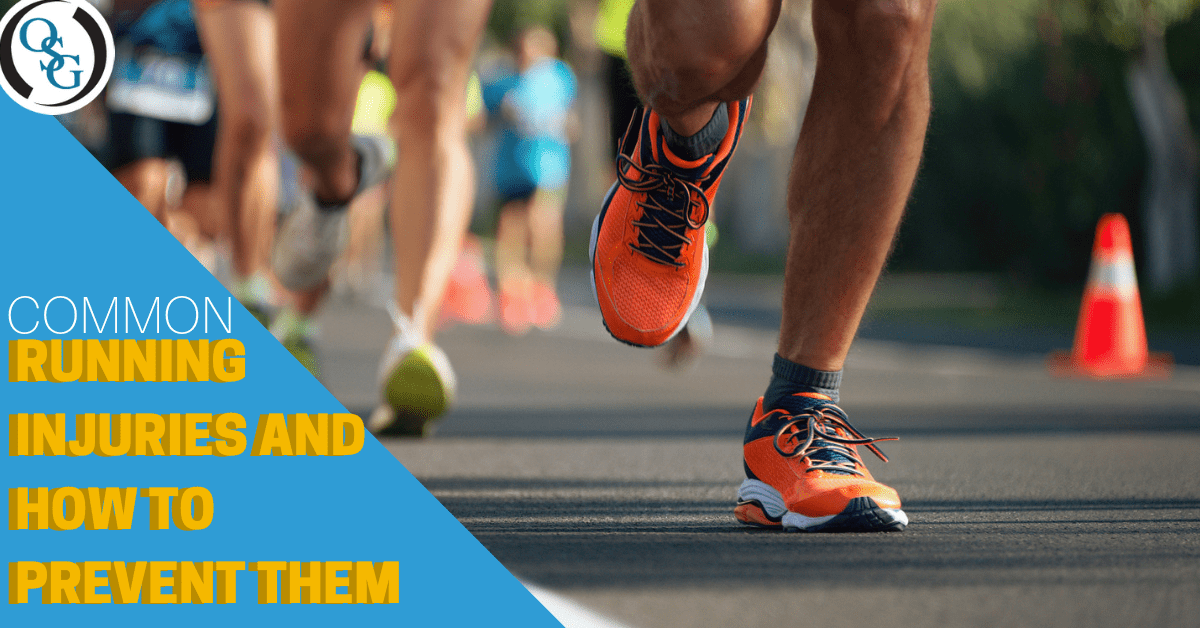
How to Spot the 6 Most Common Running Injuries
When evaluating runners for common musculoskeletal problems, clinicians should focus on location-specific pain patterns, activity-related onset, and reproducible provocation tests to differentiate among the six most frequent diagnoses—patellofemoral pain, iliotibial band syndrome, Achilles tendinopathy, plantar fasciopathy People Podiatry, medial tibial stress syndrome, and hamstring strains—since each has characteristic history and exam findings that guide early management and imaging decisions.
Clinicians employ gait analysis to reveal stride symmetry deficits and loading asymmetries. Pain timelines clarify acute versus overuse presentations. Swelling recognition and footwear marks provide objective context. Targeted palpation, resisted testing, and functional provocation reproduce symptoms to localize pathology.
Clear recovery cues—reduced pain with progressive loading, restored symmetry, and normalized footwear impressions—guide return-to-run decisions. Documentation remains concise, reproducible, and patient-centered.
Why These Injuries Happen: Top Causes and Risk Factors
By integrating load, tissue capacity, and biomechanics, most running injuries arise from predictable mismatches between repetitive stress and the musculoskeletal system’s ability to adapt.
Common causes include abrupt increases in training load, chronic biomechanical imbalances (e.g., pelvis or foot alignment), and inadequate recovery.
Intrinsic risk factors comprise previous injury, age-related tissue decline, and neuromuscular deficits reducing shock attenuation.
Extrinsic contributors include poor footwear, uneven surfaces, and training monotony.
Systemic issues such as nutritional deficits, low bone density, and hormonal disturbances impair tissue repair and resilience.
Psychological stressors and sleep loss further limit adaptation.
Risk is cumulative: multiple modest factors combine to exceed tissue capacity.
Identification of these risk factors enables targeted assessment and prevention without prescribing specific training progressions.
Training Fixes That Prevent Injury (Progressions, Volume, and Speed)
With gradual load progression anchored to objective metrics rather than arbitrary mileage targets, training minimizes the mismatch between external stress and tissue capacity.
Progressions should follow planned increases in weekly volume—gradual mileage increments of 5–10% with periodic recovery weeks—to allow adaptation and reduce overload.
Intensity is managed through controlled tempo incorporation: one to two tempo sessions per week at sustained threshold effort, interleaved with easy runs to limit cumulative stress.
Speed work is introduced after foundational volume and strength are established, using low-volume intervals with ample recovery.
Monitoring uses measurable markers: perceived exertion, heart rate, and recent training load.
This structured approach prioritizes resilience, permits autonomy in progression, and lowers injury incidence through predictable, evidence-based dosing.

Footwear, Orthotics, and Gear Choices That Reduce Risk
In selecting footwear, clinicians and runners should prioritize fit, cushioning, and stability features that match an individual’s biomechanics and training demands, rather than relying on marketing categories.
Evidence supports individualized shoe selection based on foot shape, pronation pattern, and typical mileage; periodic reassessment as training changes is advised.
Custom orthotics are indicated when conservative shoe choice, inserts, and gait modification fail to address persistent pain or structural deficits; prescription should follow biomechanical evaluation and objective outcome tracking.
Lightweight, worn-appropriate shoes reduce overload risk while preserving running freedom; rapid shifts between dissimilar models are discouraged.
Ancillary gear—socks, lacing systems, minimal support braces—should complement shoe function without restricting natural movement.
Documentation and follow-up confirm efficacy and guide adjustments.
Strength, Mobility, and Recovery Routines to Stay Injury-Free
Integrate targeted strength, mobility, and recovery routines into training plans to reduce injury risk and support performance. The athlete benefits from structured protocols that prioritize ankle stability, thoracic mobility, hip strength, and progressive loading. Evidence supports brief, regular sessions over sporadic long workouts; recovery modalities should be individualized and time-efficient.
Practical components include:
- Single-leg balance and resisted dorsiflexion to enhance ankle stability and proprioception.
- Thoracic rotations, foam rolling, and scapular control to restore spinal mobility and upper-chain coordination.
- Eccentric calf, glute-ham raises, and controlled plyometrics for tendon resilience and power transfer.
Monitoring pain, load, and sleep guides adjustments. Clinicians recommend consistent, goal-oriented routines that permit autonomy while minimizing injury incidence and preserving running freedom.
Conclusion
To summarize, common running injuries—patellofemoral pain, IT band syndrome, Achilles tendinopathy, plantar fasciitis, medial tibial stress syndrome, and calf strains—are predictable, preventable conditions. Evidence indicates that graduated training, load management, targeted strength and mobility programs, and appropriate footwear or orthotics reduce incidence. Early symptom recognition and timely modification of volume or biomechanics improve recovery and limit recurrence. A structured, individualized prevention plan grounded in progressive overload and objective monitoring optimizes long-term running health.